

Children don’t always have the words to tell us what they’re feeling. Sometimes their experiences show themselves through behaviour, worries, difficulties at school, relationships, big emotions or changes that can be difficult for parents to understand.Play therapy gives children a safe and developmentally appropriate way to express themselves, explore their experiences and communicate through their natural language, play.
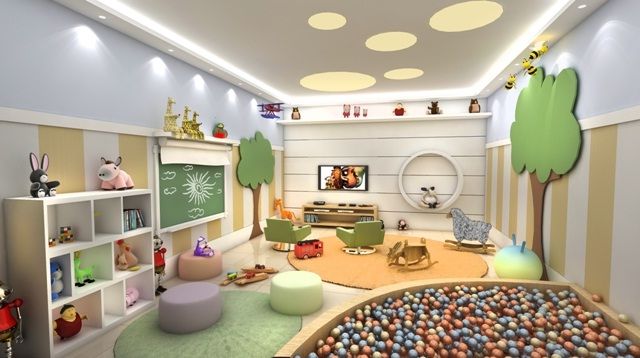
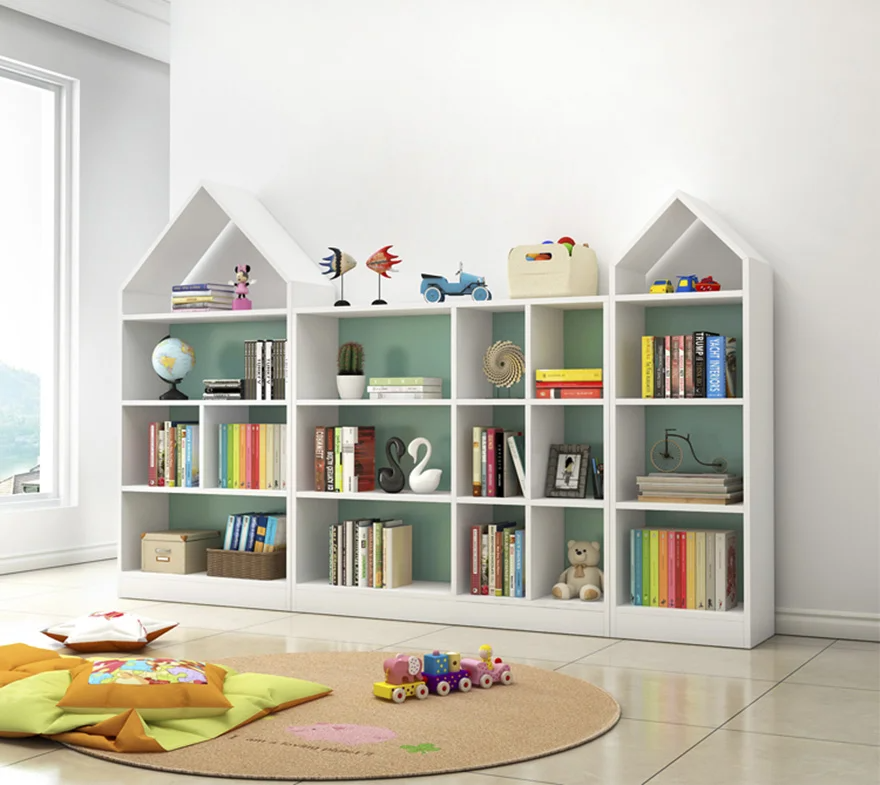
For adults, talking is often how we make sense of difficult feelings and experiences. For children, talking isn’t always the easiest or most natural way to communicate what is happening in their inner world.Play offers another way. Within the safety of the therapeutic relationship, children can use toys, creative materials, stories, imagination and play to explore feelings and experiences that may be difficult to put into words.Rather than expecting a child to sit and explain what is wrong, play therapy meets children at their developmental level and gives them the space to communicate and explore at their own pace.

Parents often consider play therapy because they have noticed that their child is struggling, but they may not always know what is happening underneath the behaviour.
You don’t necessarily need to know exactly why your child is struggling before asking for support. Sometimes parents simply notice that something has changed or that their child doesn’t seem quite themselves.
Part of the therapeutic process is creating space to understand what a child may be communicating through their behaviour, emotions and play.
Changes in behaviour that are difficult to understand. You don’t necessarily need to know exactly why your child is struggling before asking for support. Sometimes parents simply notice that something has changed or that their child doesn’t seem quite themselves.
Part of the therapeutic process is creating space to understand what a child may be communicating through their behaviour, emotions and play.

Play therapy sessions provide children with a consistent, safe and accepting therapeutic space.
Sessions usually take place at the same time and on the same day each week, helping to create predictability and a sense of security for the child.
Within the playroom, children have access to carefully selected toys, creative materials, stories and imaginative play.
My role isn’t to tell a child what or how they should play, or to expect them to talk about experiences before they are ready.
Instead, I follow the child’s pace and provide a therapeutic relationship in which they can explore and communicate what they need to.
Every child is different, so the therapeutic process is tailored to the individual child’s developmental and emotional needs.
Through the therapeutic process, play therapy may support the development of:
Every child’s therapeutic journey is different. Therapy isn’t about promising a particular outcome or changing a child into someone they’re not.
It is about providing a relationship and environment in which a child has the opportunity to explore, understand and express their emotional world.
Parents and caregivers are an important part of the wider therapeutic process.
While I respect the child’s therapeutic space and the privacy needed for a trusting relationship to develop, I also work collaboratively with parents and caregivers where appropriate.
Parent consultations provide an opportunity to think together about what may be happening for the child, consider patterns that may be emerging and explore ways of supporting their emotional needs outside the therapy room.
My approach isn’t about blaming parents or simply trying to stop a particular behaviour.
Instead, we can become curious about what may be happening underneath the behaviour and what the child may be trying to communicate.
I’m Szilvia Veber, an Accredited Play Therapist with many years of experience working therapeutically with children and families.
My approach is child-centred, relational and trauma-informed. I have a particular professional interest in early childhood developmental trauma and draw on specialist training to understand each child within the context of their relationships, experiences and individual development.
My additional professional training includes Theraplay, TraumaPlay and AutPlay Therapy, allowing me to draw on different therapeutic perspectives according to the individual needs of the child and family.
You can learn more about my qualifications, experience and approach on my About Me page.
If you’ve noticed that your child is struggling emotionally or behaviourally, or you simply have a sense that they may benefit from some additional support, you’re welcome to contact me.
We can discuss what you’ve been noticing, what your child may need and whether play therapy could be an appropriate form of support.
Feel free to reach out using the below details.